
What to Do if Your Brakes Fail
October 30th, 2018
As far as automobile technology has come, failing brakes is an issue most people will never encounter in their lifetimes. Nonetheless, it’s important to be prepared for every possible situation on the road. If you are driving and suspect your brakes have failed, here is what you should do: 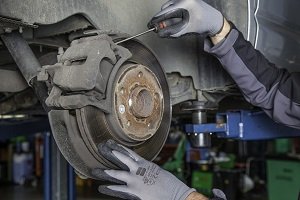
Stay Calm: Rarely, if ever, does panicking help in an emergency. Do your best to remain calm and stay focused on the next steps. Your goal will be to get your vehicle off of the road as safely as possible.
Make Sure the Brakes are Out: Because new vehicles have dual braking systems (which control the front and rear brakes separately) you may have only lost half of your braking pow ...[more]
Posted in:
Auto Repair 101
Why Your MPG Isn’t What It Used to Be
October 25th, 2018
These days, cars are getting better gas mileage than ever before. You don’t even have to buy a hybrid anymore to own a vehicle averaging 30 or 40 MPG. Many car owners notice that after a while, their MPG starts to wane. It’s easy to brush this off if you are still getting decent mileage, but this decrease in performance is often a symptom of bigger issues with your vehicle.
These are the most common reasons for a decrease in gas mileage: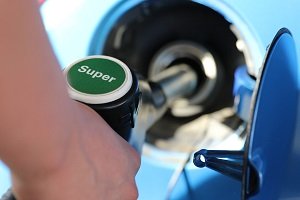
Bad Fuel Injectors: Fuel injectors are what puts fuel in your engine. If your fuel injectors are leaking or dirty, less fuel is making it to the engine, leading to a decrease in performance and gas mileage.
Using the A/C Too Often: If you live in a milder climate, consider turni ...[more]
Tags:
gas mileage
Posted in:
Auto Repair 101
Most Common Causes for a Flat Tire
October 11th, 2018
Few things are more inconvenient than a flat tire on your way to work or an important event. No one ever expects it to happen, but people get flats and find themselves stranded every day of the year for various reasons. These are a few of the top reasons people find themselves with a flat:
Extreme Temperature: If you’ve ever experienced a steep drop in temperature overnight, you may have noticed the “low pressure” light on your dash the morning after. For every 10 degrees Fahrenheit the temperature changes, your tires gain or lose 1 pound of pressure per square inch. When the temperature suddenly drops, your tires lose pressure. When the temperature escalates quickly, your tire pressure increases. Sometimes, in extreme heat, your tire pressure will expand beyond what your tires can handle, causing a failure in tire integrity. 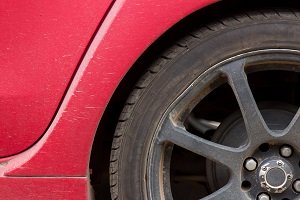 ...[more]
...[more]
Tags:
flat tires
Posted in:
Tires 101
Archives
2020
2019
December (2) November (4) October (4) September (3) August (3) July (3) June (2) May (2) April (2) March (2) February (2) January (3)
2018
December (2) November (3) October (3) September (3) August (2) July (2) June (2) May (2) April (3) March (2) February (2) January (2)
2017
December (2) November (3) October (3) September (2) August (2) July (1) June (2) May (2) April (2) March (2) February (2) January (3)
2016
December (3) November (1) October (2) September (2) August (2) July (1) June (2) May (2) April (2) March (2) February (2) January (2)
2015
2014
Tags
auto service fuel economy tires car alignment auto repair preventative maintenance truck tires spark plug tire pressure check20light tread wear tire facts tips replacing tires tread depth tire auto facts winter20repair winter20service tire repair flat tires mechanic tire technology brake fluid transmission fluid AC service car20conditioning driving safety oil change high20car high20engine MPG gas mileage Fuel Economy tire recycling drivers safety tire inflation car repair wheel alignment tire rotation winter tires snow tires all20tires holiday travel towing new tires flat20repair car battery brakes transmission service transmission repair transmission20spring transmission20spring transmission20coupon transmission auto20spring tx brake repair tires20tx wheel alignments tire rotation tread depth tread wear replacing tires used car buying tips winter tires check engine light auto service performance upgrades tire pressure flat tires Serpentine Belt Timing Belt Spare Tire Tire safety gas mileage Parking Brake Engine Facts collision repair auto accident drivers safety driving safety oil change Auto Maintenance preventative maintenance Tire Maintenance car repair tire repair auto repair Traffic Laws Buy New Tires brake service Tire Types headlight restoration RV RV service RV tires Fleet Services Tire Recycle Engine Maintenance
