How is a Tire Installed?

December 26th, 2019
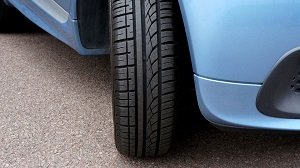
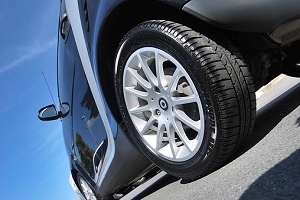
For the safety and performance of your vehicle, your tires should be installed by an expert technician. Proper installation enables your tires to function fully and provides maximum safety. On average, a tire installation takes about 45 minutes to an hour. After you have selected the right tires for your vehicle, your tires will be expertly installed. A proper installation includes: 
 
Tire Installation Services
  • Inspecting the lugs or wheel bolts
  • Installing new rubber valve stems where applicable
  • Mounting the tires
  • Balancing the new tires on your wheels
  • Tightening the wheel lugs to the manufacturer recommended torque
  • Servicing TPMS systems
 

The Steps to Install a New Set ...[more]

  Tags: tires
  Posted in: Tires 101

Why Is Tire Pressure Important?

November 28th, 2019
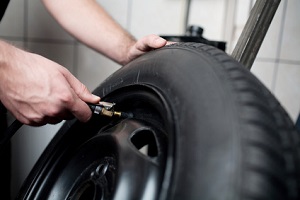
Your vehicle’s tires should always be inflated to their proper PSI (pound per square inch), which is the standard rating for air pressure within a tire. The PSI for your vehicle’s tires is generally found on the drivers’ door jamb, inside your owner’s manual or on the tire itself. Proper tire inflation will allow you to have the best possible control of your vehicle and gives you a more comfortable ride. Tire Pressure
 
For proper tire pressure and inflation:
 
  • The pressure of your tires must be in accordance with the PSI recommended by the tire manufacturer.
  • Tire pressure should be checked in the morning before you drive your car in order to get an accurate reading.
  • Temperature affects tire pressure; when it is ...[more]
  Tags: tires
  Posted in: Tires 101

Do You Need Winter Tires?

October 31st, 2019

Do You Need Winter Tires?

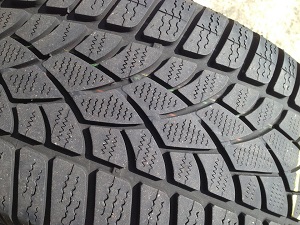
Are you curious about the difference between different types of tires? When it comes to winter tires and regular tires, the main difference between the two is tread depth. On winter tires the tread depth starts at between 8 and 9 mm as opposed to 7 and 8 mm on a regular tire. Winter tires have a wider and deeper groove within the tire tread which forms a larger channel for snow and water to travel through and maintains a grip on the road.Winter Tires
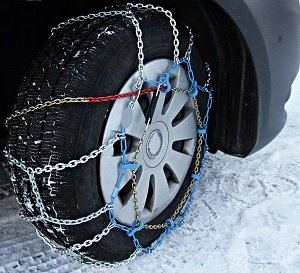
One of the most important features of winter tires is the fact they are made with a larger percentage of natural rubber and silica in the compound. This doesn’t harden as much as synthetic rubber in cold weather which improves the tire grip.

What are the benefits of winter tires?

Winter tires e ...[more]

  Tags: tires
  Posted in: Tires 101

How Temperature Affects Tires

September 26th, 2019
The US has a wide variety of climates, but generally, weather conditions are cold during the winter and hot in the summer. In southern states, summers are very hot and humid while in the Pacific Northwest, summers are warm with cool mornings and evening conditions. Winter in the South is mild, but in the North conditions are often very cold with lots of snow and below zero temperatures. How do all these variations affect your tires? Winter Tire Tips
 
The temperature outside has various impacts on your vehicle’s tires. The change in the temperature also causes an equal change in the pressure of your tires; a higher temperature will increase the pressure of your tires. Your tires should be kept inflated based on the specific vehicle manufacturer recommended pressure. Tires are made with both natural and synthetic ...[more]
  Tags: tires
  Posted in: Tires 101

Maximizing Your Tire Life

May 16th, 2019
If you’re like most people, the thought of opening your wallet to shell out money for tires isn’t at the top of your “things to get excited about” list. Unfortunately, this is a necessary part of owning a vehicle. How often you must replace your tires depends on your driving habits, how well you maintain your tires and the type of tires you purchase. Taking steps to maintain your tires will extend their life significantly, saving you time and money down the road! 
 
One step to maintaining your tires is regular tire rotations. A tire rotation is the simple act of moving 

Maximize the life of your tires

your tires from one position to another to ensure they wear evenly. You may be wondering how moving your tires around can increase your tire’s life. We ...[more]
  Tags: tires
  Posted in: Tires 101

How to Perform A Safety Inspection on Your Tires
December 27th, 2018
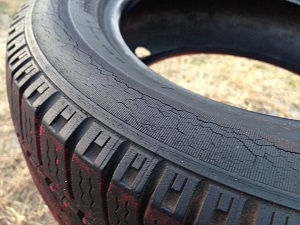
Tires are one of the most important parts of your vehicle. Poorly maintained tires can lead to dangerous or deadly accidents at worst and a negative impact on your vehicle’s handling at best. It’s important for every driver to regularly inspect their tires for proper inflation, tread depth, and sidewall condition. Performing this quick, regular check can help you stay safe on the road.Tire Safety and Inspection
 
Step One: Check Your Tread Depth
 
This step is probably one you know. Worn out tread on your tires can prevent you from maintaining traction on the road and even keep you from being able to brake properly in an emergency. To check your tread depth, place a penny between the tread blocks of your tire. With Lincoln’s head upside-down, you shoul ...[more]
  Tags: tires
  Posted in: Tires 101

Why You Shouldn’t Mix Tires

November 29th, 2018
If possible, when replacing one tire, you should always try to purchase as close as possible to the existing tires on your vehicle. A matching tire will have the same tread pattern, construction, and size as your existing tires. We never recommend you use mismatched tires unless specifically recommended by the manufacturer of your vehicle.Buy the Right Tires
 
A few ways drivers will mismatch tires include: using tires with different tread patterns, using tires made by different manufacturers, using tires made for different seasons (summer vs. winter tires) and using tires with different sizes.
 
Every unique tire is designed for a specific job, a specific handling capability and to work together with a set of matching tires. If you use mismatched tires, your car can experience unpredi ...[more]
  Posted in: Tires 101

Why is my Car Shaking?

July 26th, 2018
Have you noticed your vehicle shaking lately? Believe it or not this is a common problem. Most cars shake for a variety of reasons including engine, steering, or brake issues. Your vehicle can also shake and vibrate because of wheel damage, uneven tread wear, tire balance issues, or neglected tire maintenances. We like to start with the simple fixes first. These tire and wheel issues are fast, easy, and affordable to fix! Reasons Your Car Shakes
 
If your vehicle is vibrating and shaking while you cruise down the road, you might be thinking of a dozen reasons why it is happening. What about wheel damage?
 
You may not even remember hitting a curb or speeding through a pothole but a variety of unnoticed scenarios can damage your wheels. Wheel damage is a leading cause of cabin ...[more]
  Posted in: Tires 101

Basic Tire Maintenance

June 28th, 2018

A blown tire can ruin more than just your day. Tire trouble can cost you money, time, or even damage your vehicle. Sometimes there is no warning your tire is about to blow. Road debris can cause a sudden puncture and there won’t be much you can do, but most tire issues can be prevented with simple monitoring and maintenance.  Check out our list of basic tire maintenance below.
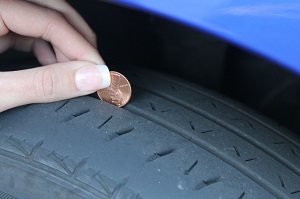
Tread Depth TestCheck Your Tire Pressure

The PSI of your tires varies depending on the type of tire you have and the type of driving you do. Your owner’s manual should contain a recommended PSI for your stock tires or you can check with the manufacturer of your current tire. Normally, PSI should be around 30 to 35. This means there is 30 to 35 pounds of pressure per square inch. All you nee ...[more]

  Posted in: Tires 101

History of the Modern Tire

April 26th, 2018

Whether it’s the price of gas, the people you spend time with, or the level of satisfaction you have with your job, one thing in life is certain, things change. It may not be a surprise your vehicle, the way it works, and how much it costs has changed significantly over the years. But have you ever thought about how much tires have changed?

Tire HistoryBefore air was introduced into tire designs, they were covered in wood, iron, solid rubber, and even leather. Although these weren’t the most shock absorbent materials, they provided durability and grip. It took many years to develop the tires we use today. Let’s look at tires and how they have progressed through the years.

The modern tire was patented in 1847 by Robert Thompson but had little success. At the time, consumers preferre ...[more]

  Tags: tires, tire technology
  Posted in: Tires 101
12345 Next >>