
How to Perform A Safety Inspection on Your Tires
December 27th, 2018
Tires are one of the most important parts of your vehicle. Poorly maintained tires can lead to dangerous or deadly accidents at worst and a negative impact on your vehicle’s handling at best. It’s important for every driver to regularly inspect their tires for proper inflation, tread depth, and sidewall condition. Performing this quick, regular check can help you stay safe on the road.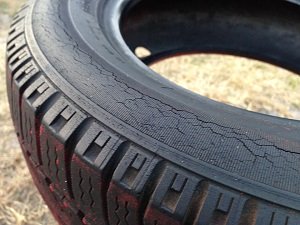
Step One: Check Your Tread Depth
This step is probably one you know. Worn out tread on your tires can prevent you from maintaining traction on the road and even keep you from being able to brake properly in an emergency. To check your tread depth, place a penny between the tread blocks of your tire. With Lincoln’s head upside-down, you shoul ...[more]
Tags:
tires
Posted in:
Tires 101
The Different Types of Engine Oil
December 13th, 2018
If you’ve ever taken a car in to be serviced, you’ve probably been asked by the mechanic, “What type of oil are you getting?” If you’re like most people, you probably just say “Whatever it takes,” or “Whatever you recommend!” Depending on your vehicle, the mechanic may recommend one of four types of motor oil: full synthetic, synthetic blend, conventional, or high mileage. Each type of oil has a specific chemical makeup and purpose it is best suited for:
Conventional Motor Oil: Conventional motor oil is the most commonly used type of motor oil. It is ideal for late-model, light-duty cars with low to average mileage and simple engine design.
Full Synthetic Motor Oil: Full synthetic motor oil differs from conve ...[more]
Tags:
oil change
Posted in:
Auto Repair 101
Why You Shouldn’t Mix Tires
November 29th, 2018
If possible, when replacing one tire, you should always try to purchase as close as possible to the existing tires on your vehicle. A matching tire will have the same tread pattern, construction, and size as your existing tires. We never recommend you use mismatched tires unless specifically recommended by the manufacturer of your vehicle.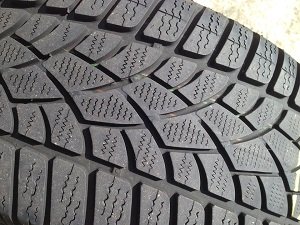
A few ways drivers will mismatch tires include: using tires with different tread patterns, using tires made by different manufacturers, using tires made for different seasons (summer vs. winter tires) and using tires with different sizes.
Every unique tire is designed for a specific job, a specific handling capability and to work together with a set of matching tires. If you use mismatched tires, your car can experience unpredi ...[more]
Posted in:
Tires 101
Something is Leaking: What Is It?
November 15th, 2018
Finding that fluid which is leaking from your car can be alarming. It is possible fluid leaking from your car could be normal, but other times leaking fluids are a symptom of a bigger problem with your vehicle. Before you panic, there are two questions you need to ask: 1) “Where is the fluid coming from?” and 2) “What does the fluid look like?”
When determining where the fluid is coming from, first find out for certain whether the fluid is even coming for your vehicle and not the vehicle parked in the space before you. If you are unsure, just get down and take a good look under the car with a flashlight or your cell phone.
Once you have determined that the leak is indeed coming from your vehicle, stick a piece of white paper ...[more]
Tags:
Auto Maintenance
Posted in:
Auto Repair 101
Strange Sounds Cars Make and What They Mean
November 6th, 2018
Knocking – If you hear a knocking sound happening under your hood, there could be an issue with how the fuel is igniting in your engine. Specifically, the fuel is burning unevenly in your engine’s cylinders. Engine knocking can be prevented by using the correct spark plugs for your vehicle and using a higher-octane fuel at the gas pump. If your engine is making knocking noises, head to Milstead Automotive ASAP.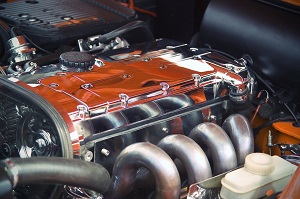
Squealing – If your engine is producing a high-pitched squealing noise, a belt is probably to blame. Most likely, it is time to replace or readjust your serpentine belt. Over time, this belt can slip and slide to a position where it yields the unmistakable squealing. If the squea ...[more]
Tags:
auto service, auto repair
Posted in:
Auto Repair 101
What to Do if Your Brakes Fail
October 30th, 2018
As far as automobile technology has come, failing brakes is an issue most people will never encounter in their lifetimes. Nonetheless, it’s important to be prepared for every possible situation on the road. If you are driving and suspect your brakes have failed, here is what you should do: 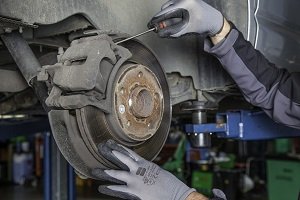
Stay Calm: Rarely, if ever, does panicking help in an emergency. Do your best to remain calm and stay focused on the next steps. Your goal will be to get your vehicle off of the road as safely as possible.
Make Sure the Brakes are Out: Because new vehicles have dual braking systems (which control the front and rear brakes separately) you may have only lost half of your braking pow ...[more]
Posted in:
Auto Repair 101
Why Your MPG Isn’t What It Used to Be
October 25th, 2018
These days, cars are getting better gas mileage than ever before. You don’t even have to buy a hybrid anymore to own a vehicle averaging 30 or 40 MPG. Many car owners notice that after a while, their MPG starts to wane. It’s easy to brush this off if you are still getting decent mileage, but this decrease in performance is often a symptom of bigger issues with your vehicle.
These are the most common reasons for a decrease in gas mileage: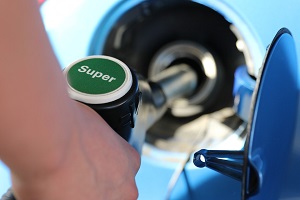
Bad Fuel Injectors: Fuel injectors are what puts fuel in your engine. If your fuel injectors are leaking or dirty, less fuel is making it to the engine, leading to a decrease in performance and gas mileage.
Using the A/C Too Often: If you live in a milder climate, consider turni ...[more]
Tags:
gas mileage
Posted in:
Auto Repair 101
Most Common Causes for a Flat Tire
October 11th, 2018
Few things are more inconvenient than a flat tire on your way to work or an important event. No one ever expects it to happen, but people get flats and find themselves stranded every day of the year for various reasons. These are a few of the top reasons people find themselves with a flat:
Extreme Temperature: If you’ve ever experienced a steep drop in temperature overnight, you may have noticed the “low pressure” light on your dash the morning after. For every 10 degrees Fahrenheit the temperature changes, your tires gain or lose 1 pound of pressure per square inch. When the temperature suddenly drops, your tires lose pressure. When the temperature escalates quickly, your tire pressure increases. Sometimes, in extreme heat, your tire pressure will expand beyond what your tires can handle, causing a failure in tire integrity. 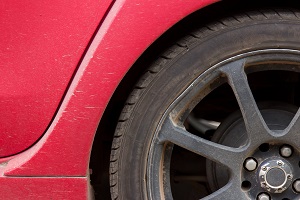 ...[more]
...[more]
Tags:
flat tires
Posted in:
Tires 101
Why Does My Tire Pressure Change by Itself?
September 27th, 2018
Fall weather in many areas can bring a large fluctuation in temperatures between daytime and nighttime. These changes in temperature can cause your tires to lose pressure as the air inside them expands and contracts. This triggers the “Check Tire Pressure” light on your dashboard. This light is known as the TPMS, or Tire-Pressure Monitoring System. For many of us, this light can be an alarming surprise. However, there is no need to panic. The light does not necessarily mean your tires are leaking. 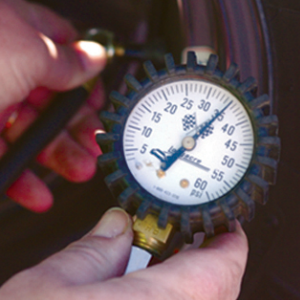
During the fall season, when daytime temperatures are much higher than at night, keeping your tire pressure consistent can be a challenge. As temperature levels change, so does the air pressure in your tires. It’s the same as when you drive at higher speeds for an extended period ...[more]
Tags:
tire inflation, Tire Maintenance
Posted in:
Tires 101
Wheel Balancing & Wheel Alignment: What’s the Difference?
September 20th, 2018
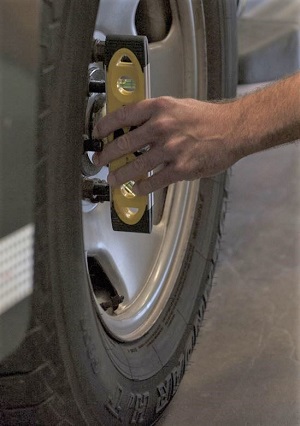
It's not uncommon for even experienced car owners to get confused with the terms “wheel balancing” and “wheel alignment” and end up using them interchangeably. In fact, the two terms are very similar in sound, which makes it all the more difficult to tell the difference between the two. However, for better handling, safety, and improved tire lifespan, it is necessary that you know when your car requires a wheel balancing or alignment procedure. With this quick guide from Milstead Automotive, knowing the difference between these two important automotive maintenance services will be easy!
What is a Wheel Ba ...[more]
Posted in:
Tires 101
| 123 | Next >> |
Archives
2020
2019
December (2) November (4) October (4) September (3) August (3) July (3) June (2) May (2) April (2) March (2) February (2) January (3)
2018
December (2) November (3) October (3) September (3) August (2) July (2) June (2) May (2) April (3) March (2) February (2) January (2)
2017
December (2) November (3) October (3) September (2) August (2) July (1) June (2) May (2) April (2) March (2) February (2) January (3)
2016
December (3) November (1) October (2) September (2) August (2) July (1) June (2) May (2) April (2) March (2) February (2) January (2)
2015
2014
Tags
auto service fuel economy tires car alignment auto repair preventative maintenance truck tires spark plug tire pressure check20light tread wear tire facts tips replacing tires tread depth tire auto facts winter20repair winter20service tire repair flat tires mechanic tire technology brake fluid transmission fluid AC service car20conditioning driving safety oil change high20car high20engine MPG gas mileage Fuel Economy tire recycling drivers safety tire inflation car repair wheel alignment tire rotation winter tires snow tires all20tires holiday travel towing new tires flat20repair car battery brakes transmission service transmission repair transmission20spring transmission20spring transmission20coupon transmission auto20spring tx brake repair tires20tx wheel alignments tire rotation tread depth tread wear replacing tires used car buying tips winter tires check engine light auto service performance upgrades tire pressure flat tires Serpentine Belt Timing Belt Spare Tire Tire safety gas mileage Parking Brake Engine Facts collision repair auto accident drivers safety driving safety oil change Auto Maintenance preventative maintenance Tire Maintenance car repair tire repair auto repair Traffic Laws Buy New Tires brake service Tire Types headlight restoration RV RV service RV tires Fleet Services Tire Recycle Engine Maintenance
