5 Common Power Steering Problems

January 16th, 2020
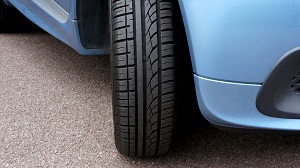
In order to reduce the need for effort from the driver to steer the vehicle, engines incorporate a system referred to as “power steering.” This is a hydraulic system which uses power steering fluid to build pressure which is then used to change the direction of the wheels. This means you don’t need to arm wrestle with your steering wheel when trying to take a turn.Common Power Steering Problems
 
When your car’s power steering system begins to fail — or the fluid needs to be replaced — it can make it much harder to control around curves and corners. There are a few problems which can cause this issue. Here are some common problems associated with the failure of your power steering system.
 
Leaking Power Steering Fluid & ...[more]
  Tags: auto repair
  Posted in: Auto Repair 101

Ways to Proactively Protect Your Engine
January 14th, 2020
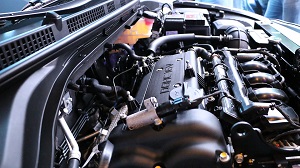
We get in our car, turn the key, and head out to wherever we're going. Most of us totally ignore the fact that our vehicle’s engine is what allows us to dependably get where we need to go. The car’s engine is the most vital and central operating unit of any vehicle.  When we do notice the engine, it's usually when we hear it making sounds we're not accustomed to hearing or when the car feels a little different than it did before. Your vehicle’s engine requires some regular maintenance to keep it in good running condition. Engine Repair in Spring, TX
 
A healthy, functional car requires a healthy engine, and for your engine to remain in good working order, it must be well-maintained. Here is some basic engine maintenance that will keep your vehicle’s engine operating at ...[more]
  Posted in: Auto Repair 101

How is a Tire Installed?

December 26th, 2019
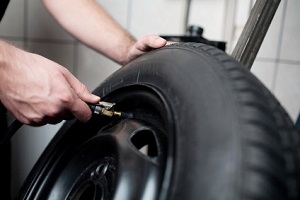
For the safety and performance of your vehicle, your tires should be installed by an expert technician. Proper installation enables your tires to function fully and provides maximum safety. On average, a tire installation takes about 45 minutes to an hour. After you have selected the right tires for your vehicle, your tires will be expertly installed. A proper installation includes: 
 
Tire Installation Services
  • Inspecting the lugs or wheel bolts
  • Installing new rubber valve stems where applicable
  • Mounting the tires
  • Balancing the new tires on your wheels
  • Tightening the wheel lugs to the manufacturer recommended torque
  • Servicing TPMS systems
 

The Steps to Install a New Set ...[more]

  Tags: tires
  Posted in: Tires 101

Conventional vs. Synthetic Motor Oil

December 12th, 2019
When you go to purchased motor oil from your local auto store, do you know what you’re really paying for? When a service attendant asks you synthetic or regular, do you know the difference? If these situations leave you feeling unsure, let’s examine your options so next time you can make an informed decision. Types of Engine Oil
 

What Are the Advantages of Synthetic Oil Over Conventional Oil?

First off, synthetic oil is better than conventional oil. Synthetic motor oil uses a higher quality base oil as compared to the less-refined base oil used in conventional oils. Full synthetic oil provides better engine performance and protection than conventional motor oils and they are specially formulated to provide additional performance benefits. Conventional oil — when compared ...[more]
  Tags: auto repair
  Posted in: Auto Repair 101

Why Is Tire Pressure Important?

November 28th, 2019
Your vehicle’s tires should always be inflated to their proper PSI (pound per square inch), which is the standard rating for air pressure within a tire. The PSI for your vehicle’s tires is generally found on the drivers’ door jamb, inside your owner’s manual or on the tire itself. Proper tire inflation will allow you to have the best possible control of your vehicle and gives you a more comfortable ride. Tire Pressure
 
For proper tire pressure and inflation:
 
  • The pressure of your tires must be in accordance with the PSI recommended by the tire manufacturer.
  • Tire pressure should be checked in the morning before you drive your car in order to get an accurate reading.
  • Temperature affects tire pressure; when it is ...[more]
  Tags: tires
  Posted in: Tires 101

Tips for Winterizing Your Vehicle

November 14th, 2019
Winter is on the way. It’s time to get your vehicle winter-ready. Winterizing your vehicle is necessary to keep your vehicle performing its best during the cold months. Your vehicle’s safety is important during winter conditions, especially if you must drive on icy or snowy roads. There are several things you can do to ensure your car operates successfully throughout the winter months as well as maximize your car’s ability to keep you and your family safe should a winter weather problem occur. Winter Driving Maintenance
 

Here are some car care tips to give you peace of mind during winter driving:

  • Cold weather slows down your battery power. During the cold weather, your engine requires more current from the battery in order to start the engine. Have a mechanic check your battery t ...[more]
  Tags: auto repair
  Posted in: Auto Repair 101

Should I Use My AC During Winter?

November 8th, 2019

Why You Should Use Your AC During Winter

During the summertime, we have our AC blowing on max. We do so to keep us cool and feeling refreshed. But what happens during wintertime? Do we keep our Air Conditioning off? No. We turn on the heating function of our A/C to try to keep us warm from the cold outside. But how effective have your settings been? 

Car Air Conditioning Winter Tips in Spring, TX

While it may be simple to just turn the knob to the red area and have the hot air blow into the car cabin, there are a couple of benefits of running your Air Conditioner during winter.

Should I Use My AC During Winter?

The short answer: Yes. You definitely should use your air conditioner during the wintertime. Not only does it keep you warm, but it ...[more]

  Posted in: Car Maintenance

How to Tell If Your Brake Pads Need Replacing
November 1st, 2019
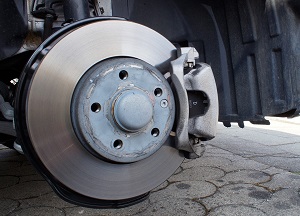
With power brakes, it can be hard to notice when brake pads have worn to a point of needing replacement. Braking performance often doesn’t seem to drop off considerably until the brakes have gotten to a point of actually being dangerous. For this reason, regular inspection can make all the difference. Milstead Automotive in Spring, TX has compiled this helpful list to help keep drivers ahead of a problem like worn brakes:Break Repair in Spring, TX
 

Listen to Your Brakes

Many brake pads are designed with a spring-steel tab that protrudes from the backing plate and serves as a wear indicator. When the brake pad friction material has worn down to a minimum thickness, the tab will dr ...[more]
  Posted in: Auto Repair 101

Do You Need Winter Tires?

October 31st, 2019

Do You Need Winter Tires?

Are you curious about the difference between different types of tires? When it comes to winter tires and regular tires, the main difference between the two is tread depth. On winter tires the tread depth starts at between 8 and 9 mm as opposed to 7 and 8 mm on a regular tire. Winter tires have a wider and deeper groove within the tire tread which forms a larger channel for snow and water to travel through and maintains a grip on the road.Winter Tires
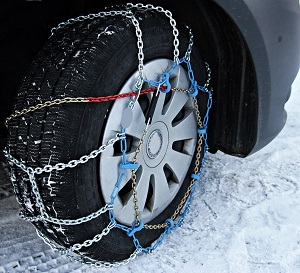
One of the most important features of winter tires is the fact they are made with a larger percentage of natural rubber and silica in the compound. This doesn’t harden as much as synthetic rubber in cold weather which improves the tire grip.

What are the benefits of winter tires?

Winter tires e ...[more]

  Tags: tires
  Posted in: Tires 101

What is the Driveline of Your Vehicle?
October 24th, 2019
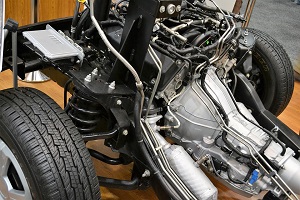
Driveline Repair in Spring, TXThe driveline of your vehicle takes the power generated by the engine and transforms it into the rotation of the tires, providing the speed of your vehicle utilizing torque. The driveline is a very complex part of your vehicle. It includes the transmission, the driveshaft, the axles, and the wheels. It works in conjunction with the engine to move the wheels. Without a driveline, the power the engine creates would stop in the transmission, and the wheels won’t turn. 
 
When your driveline has an issue, it will lead to steering issues which will require an inspection to see if parts may require replacement or replacing the entire system may be required. As with most intricate vehicle systems, it’s always best to check your owner’s manual to see when your manufacturer ...[more]
  Posted in: Auto Repair 101
123456789 Next >>