
Prepping a Summer Emergency Kit
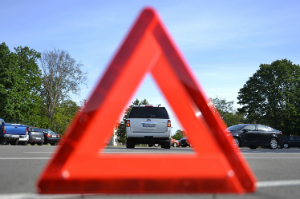
It’s time to gear up for road trip season! Whether you are headed to the coast, on a cross-country road trip, or you’re off to the grocery store to prepare for a “staycation” at home, it’s always a good idea to have your car prepped with an emergency kit. When it comes to your car, the unexpected is bound to happen. Good drivers know this, embrace it and are prepared for anything that’s thrown their way!
While you may not be able to prepare for all scenarios, there are a few good measures you can take to make sure if a break down occurs, you and your family are safe. A fully-stocked emergency kit is a simple way to prepare for the unexpected. While some articles recommend stocking your kit with every item under the sun, we are just going to cover a few key items which will help your situation be a bit more manageable.
 ...[more]
The Effect of Bigger Tires on Your Vehicle
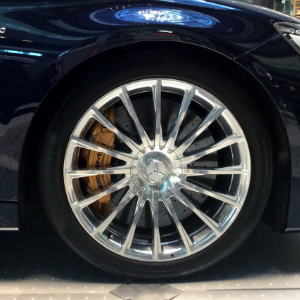 Bigger wheels and tires are a desirable upgrade for not only the off-road extremist but many everyday drivers as well. For example, you can go to Wal-Mart and count several SUVs in the parking lot with 20-inch rims because even “Glamma” wants to look cool. Tires can really make or break your vehicle in relevance to style and performance. Driving on bad tires can take a toll on your vehicle, and upgrading to new tires can make your vehicle drive like new again. When upgrading to bigger tires you also need to upgrade your rims. There are several benefits and disadvantages when considering an upgrade to tires or wheels.
If you are driving a truck, you may want to consider getting a lift kit. This would allow room for massive wheels and tires depending on how big of a lift you get. For ...[more]
Car Seat Safety Tips
Your child’s safety in the car heavily relies on them having the appropriate car seat or booster seat properly installed. Even if you are an expert driver with a clear driving history, you can’t stop other drivers from making poor decisions on the road. Correctly used child safety seats can reduce the risk of death by 71%, but half of all booster and car seats are not properly installed. To avert a tragic incident, make sure your kids are properly positioned in the appropriate seating. Follow these tips to provide your child with the safest ride.
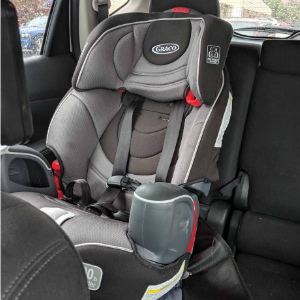 Use the appropriate car or booster seat. One of the most common mistakes made is upgrading a child to a forward-facing car seat before they are ready. Your child should remain rear-facing until they are age 2 or when they ...[more]
History of the Modern Tire
Whether it’s the price of gas, the people you spend time with, or the level of satisfaction you have with your job, one thing in life is certain, things change. It may not be a surprise your vehicle, the way it works, and how much it costs has changed significantly over the years. But have you ever thought about how much tires have changed?
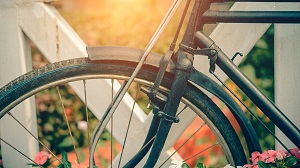 Before air was introduced into tire designs, they were covered in wood, iron, solid rubber, and even leather. Although these weren’t the most shock absorbent materials, they provided durability and grip. It took many years to develop the tires we use today. Let’s look at tires and how they have progressed through the years.
The modern tire was patented in 1847 by Robert Thompson but had little success. At the time, consumers preferre ...[more]
Collision Repair you Can Trust
Being in an automobile accident brings quite a bit of stress onto you and your family. After the initial shock is over and the police report is filed, you then have to start thinking about who is going to repair your vehicle. Like most people, you’ll want your vehicle restored to its perfect pre-accident 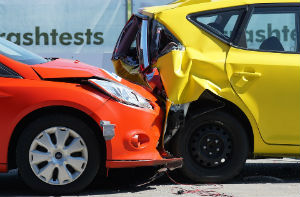 condition. ...[more]
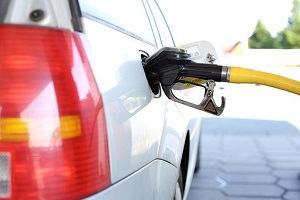
Diesel vs. Gasoline - Which is Better?
What you Need to Know Before Buying New Tires
What to Do When Your Parking Brake is Stuck
When should I use my parking brake?
How to Increase Your Gas Mileage
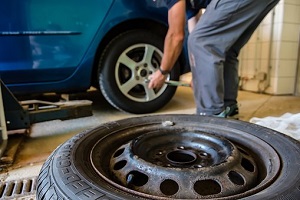
Be Aware of Your Spare
| << Previous | 2345678910 | Next >> |
Archives
2020
2019
2018
2017
2016
2015
2014
Tags
