
Our Spring Auto Maintenance Checklist
January 18th, 2019
 As winter beings to wind down, it’s time to look ahead towards spring. Temperatures will rise, spring will be in the air, and the weather is going to get a little unpredictable from one day to the next, with sunny skies one day and thunderstorms the next. Does your car have what it takes for spring and summer driving? Let’s do a quick checklist:
Spring Auto Maintenance Checklist
Wipers: You can only expect about a year out of even the best wipers before the sun’s UV rays and normal wear take their toll on them. If you're seeing streaks on the windshield or if you are noticing strips or chips of rubber gone from the blades (or if they jus ...[more]
Posted in:
Auto Repair 101
Strange Traffic Laws from Around the World
January 17th, 2019
If you’ve ever driven in a foreign country, you’ve probably encountered your fair share of strange traffic laws. Did you know you’ll be fined for driving a dirty car in Russia or for driving without a breathalyzer in your car in France? Some of these laws are hard to believe!
1. In Russia, you will be fined for driving a dirty vehicle.

2. In Germany, it is illegal to run out of fuel on the Autobahn.
3. In Alabama it is legal to drive the wrong way down a one-way street, but only if you attach a lantern to the front of your vehicle.
4. Here’s another fun one from Alabama: It is illegal for a driver to be blindfolded while operatin ...[more]
Tags:
Traffic Laws
Posted in:
Auto Repair 101
The Different Types of Engine Oil
December 13th, 2018
If you’ve ever taken a car in to be serviced, you’ve probably been asked by the mechanic, “What type of oil are you getting?” If you’re like most people, you probably just say “Whatever it takes,” or “Whatever you recommend!” Depending on your vehicle, the mechanic may recommend one of four types of motor oil: full synthetic, synthetic blend, conventional, or high mileage. Each type of oil has a specific chemical makeup and purpose it is best suited for:
Conventional Motor Oil: Conventional motor oil is the most commonly used type of motor oil. It is ideal for late-model, light-duty cars with low to average mileage and simple engine design.
Full Synthetic Motor Oil: Full synthetic motor oil differs from conve ...[more]
Tags:
oil change
Posted in:
Auto Repair 101
Something is Leaking: What Is It?
November 15th, 2018
Finding that fluid which is leaking from your car can be alarming. It is possible fluid leaking from your car could be normal, but other times leaking fluids are a symptom of a bigger problem with your vehicle. Before you panic, there are two questions you need to ask: 1) “Where is the fluid coming from?” and 2) “What does the fluid look like?”
When determining where the fluid is coming from, first find out for certain whether the fluid is even coming for your vehicle and not the vehicle parked in the space before you. If you are unsure, just get down and take a good look under the car with a flashlight or your cell phone.
Once you have determined that the leak is indeed coming from your vehicle, stick a piece of white paper ...[more]
Tags:
Auto Maintenance
Posted in:
Auto Repair 101
Strange Sounds Cars Make and What They Mean
November 6th, 2018
Knocking – If you hear a knocking sound happening under your hood, there could be an issue with how the fuel is igniting in your engine. Specifically, the fuel is burning unevenly in your engine’s cylinders. Engine knocking can be prevented by using the correct spark plugs for your vehicle and using a higher-octane fuel at the gas pump. If your engine is making knocking noises, head to Milstead Automotive ASAP.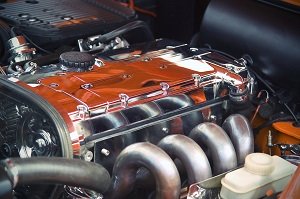
Squealing – If your engine is producing a high-pitched squealing noise, a belt is probably to blame. Most likely, it is time to replace or readjust your serpentine belt. Over time, this belt can slip and slide to a position where it yields the unmistakable squealing. If the squea ...[more]
Tags:
auto service, auto repair
Posted in:
Auto Repair 101
What to Do if Your Brakes Fail
October 30th, 2018
As far as automobile technology has come, failing brakes is an issue most people will never encounter in their lifetimes. Nonetheless, it’s important to be prepared for every possible situation on the road. If you are driving and suspect your brakes have failed, here is what you should do: 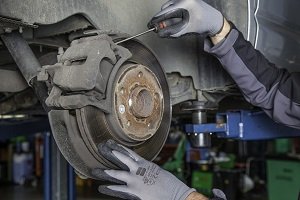
Stay Calm: Rarely, if ever, does panicking help in an emergency. Do your best to remain calm and stay focused on the next steps. Your goal will be to get your vehicle off of the road as safely as possible.
Make Sure the Brakes are Out: Because new vehicles have dual braking systems (which control the front and rear brakes separately) you may have only lost half of your braking pow ...[more]
Posted in:
Auto Repair 101
Why Your MPG Isn’t What It Used to Be
October 25th, 2018
These days, cars are getting better gas mileage than ever before. You don’t even have to buy a hybrid anymore to own a vehicle averaging 30 or 40 MPG. Many car owners notice that after a while, their MPG starts to wane. It’s easy to brush this off if you are still getting decent mileage, but this decrease in performance is often a symptom of bigger issues with your vehicle.
These are the most common reasons for a decrease in gas mileage: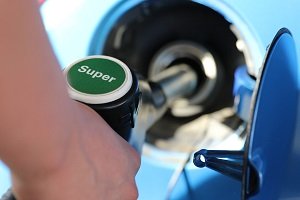
Bad Fuel Injectors: Fuel injectors are what puts fuel in your engine. If your fuel injectors are leaking or dirty, less fuel is making it to the engine, leading to a decrease in performance and gas mileage.
Using the A/C Too Often: If you live in a milder climate, consider turni ...[more]
Tags:
gas mileage
Posted in:
Auto Repair 101
Test Drive Checklist
September 13th, 2018
In the hopes of finding the perfect used vehicle, you have researched, pulled history reports, and compared a dozen different vehicle makes and models. You have put a lot of time and effort into finding the right vehicle. Don’t let your excitement cost you down the road. A used car can save you money, but only if you buy the right one.

The right used vehicle will be one which appeals to you, has a clean history report, and doesn’t need expensive repairs. It can be difficult to tell if a vehicle is in good shape. The best thing to do, is test drive your potential new car and watch for the following signs.
Slow acceleration is one of the first things you might notice while test driving. This can be caused by several things. The mos ...[more]
Posted in:
Auto Repair 101
Back to School Checklist
August 16th, 2018
“School days, school days. Dear old golden rule days.” Parents, teachers, and students… we know you’re excited for the start of a brand new school year! Along with buying school supplies and new clothes, car maintenance should be high on your ”back to school” to-do list. Whether you are a student driver, a teacher, or a parent dropping your kids off at school every day, a reliable car is important. We’ve gathered a few important items to jot down on your back to school checklist.
Check your vehicle’s engine oil. We’ll start off with an extremely basic item to mark off your list. Keeping your oil at the correct level is vital to your engine performance, and you’ll want to have it changed regularly. There is conflicting advice on how often you should change your engine oil. We suggest always referring to your vehicle’s owner’s manual for specific recommendations. Th ...[more]
Posted in:
Auto Repair 101
What to do When Your Car Overheats
July 12th, 2018
It’s finally summer and this year it looks like it’s going to be a hot one. If you’re like me, I bet you have already planned your vacation or at least scheduled a weekend getaway. At this point, I have packed my bags and planned a few fun activities for the family. I’m a little worried about one thing… my rental car. You never know if routine maintenance has been performed. I’m driving over 1,000 miles and can only hope the engine doesn’t overheat.
I can’t control what kind of maintenance my rental car will have but we can all control what happens with our own vehicles. There are several things you can do to ensure your vehicle won’t overheat on a long road trip and since I’m nervous about my rental car, I want to know what to do if ...[more]
Posted in:
Auto Repair 101
| << Previous | 1234567 | Next >> |
Archives
2020
2019
December (2) November (4) October (4) September (3) August (3) July (3) June (2) May (2) April (2) March (2) February (2) January (3)
2018
December (2) November (3) October (3) September (3) August (2) July (2) June (2) May (2) April (3) March (2) February (2) January (2)
2017
December (2) November (3) October (3) September (2) August (2) July (1) June (2) May (2) April (2) March (2) February (2) January (3)
2016
December (3) November (1) October (2) September (2) August (2) July (1) June (2) May (2) April (2) March (2) February (2) January (2)
2015
2014
Tags
auto service fuel economy tires car alignment auto repair preventative maintenance truck tires spark plug tire pressure check20light tread wear tire facts tips replacing tires tread depth tire auto facts winter20repair winter20service tire repair flat tires mechanic tire technology brake fluid transmission fluid AC service car20conditioning driving safety oil change high20car high20engine MPG gas mileage Fuel Economy tire recycling drivers safety tire inflation car repair wheel alignment tire rotation winter tires snow tires all20tires holiday travel towing new tires flat20repair car battery brakes transmission service transmission repair transmission20spring transmission20spring transmission20coupon transmission auto20spring tx brake repair tires20tx wheel alignments tire rotation tread depth tread wear replacing tires used car buying tips winter tires check engine light auto service performance upgrades tire pressure flat tires Serpentine Belt Timing Belt Spare Tire Tire safety gas mileage Parking Brake Engine Facts collision repair auto accident drivers safety driving safety oil change Auto Maintenance preventative maintenance Tire Maintenance car repair tire repair auto repair Traffic Laws Buy New Tires brake service Tire Types headlight restoration RV RV service RV tires Fleet Services Tire Recycle Engine Maintenance
