How to Buy New Tires

January 31st, 2019

If you’ve never done it before, purchasing tires can be a frustrating and intimidating task. How do you know what brand is best? How do you get the best price? We will discuss these questions and more in this blog post.

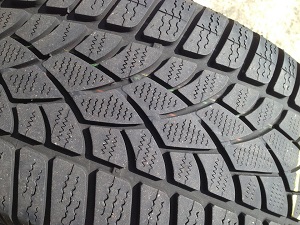
1. Read ReviewsShop New Tires
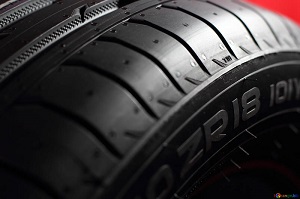
It’s impossible to know how tires will perform after a few thousand miles… unless you read the reviews of people who already have those tires. When looking through reviews, look for people who drive a similar car to yours (truck, SUV, sports car, etc.) and skim past the reviews of people who have driven less than 25% of the tire’s lifespan. If a tire lasts 50,000 miles, look for the reviews of people who have driven at least 12,500 miles on the tires. Your car will always drive well on new tires. The true test of a tire’s durability comes after it’s had some ...[more]

  Tags: tire, Buy New Tires
  Posted in: Tires 101

How to Perform A Safety Inspection on Your Tires
December 27th, 2018
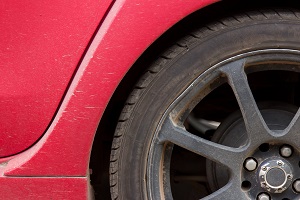
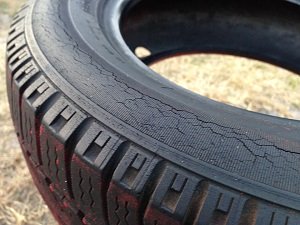
Tires are one of the most important parts of your vehicle. Poorly maintained tires can lead to dangerous or deadly accidents at worst and a negative impact on your vehicle’s handling at best. It’s important for every driver to regularly inspect their tires for proper inflation, tread depth, and sidewall condition. Performing this quick, regular check can help you stay safe on the road.Tire Safety and Inspection
 
Step One: Check Your Tread Depth
 
This step is probably one you know. Worn out tread on your tires can prevent you from maintaining traction on the road and even keep you from being able to brake properly in an emergency. To check your tread depth, place a penny between the tread blocks of your tire. With Lincoln’s head upside-down, you shoul ...[more]
  Tags: tires
  Posted in: Tires 101

Why You Shouldn’t Mix Tires

November 29th, 2018
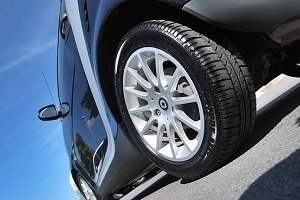
If possible, when replacing one tire, you should always try to purchase as close as possible to the existing tires on your vehicle. A matching tire will have the same tread pattern, construction, and size as your existing tires. We never recommend you use mismatched tires unless specifically recommended by the manufacturer of your vehicle.Buy the Right Tires
 
A few ways drivers will mismatch tires include: using tires with different tread patterns, using tires made by different manufacturers, using tires made for different seasons (summer vs. winter tires) and using tires with different sizes.
 
Every unique tire is designed for a specific job, a specific handling capability and to work together with a set of matching tires. If you use mismatched tires, your car can experience unpredi ...[more]
  Posted in: Tires 101

Most Common Causes for a Flat Tire

October 11th, 2018
Few things are more inconvenient than a flat tire on your way to work or an important event. No one ever expects it to happen, but people get flats and find themselves stranded every day of the year for various reasons. These are a few of the top reasons people find themselves with a flat:
 
Extreme Temperature: If you’ve ever experienced a steep drop in temperature overnight, you may have noticed the “low pressure” light on your dash the morning after. For every 10 degrees Fahrenheit the temperature changes, your tires gain or lose 1 pound of pressure per square inch. When the temperature suddenly drops, your tires lose pressure. When the temperature escalates quickly, your tire pressure increases. Sometimes, in extreme heat, your tire pressure will expand beyond what your tires can handle, causing a failure in tire integrity. Flat Tire Repair & Maintenance...[more]
  Tags: flat tires
  Posted in: Tires 101

Why Does My Tire Pressure Change by Itself?
September 27th, 2018
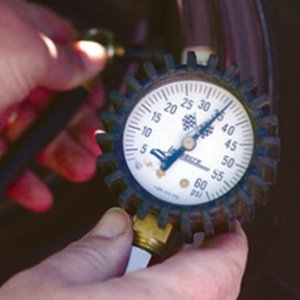
Fall weather in many areas can bring a large fluctuation in temperatures between daytime and nighttime. These changes in temperature can cause your tires to lose pressure as the air inside them expands and contracts. This triggers the “Check Tire Pressure” light on your dashboard. This light is known as the TPMS, or Tire-Pressure Monitoring System. For many of us, this light can be an alarming surprise. However, there is no need to panic. The light does not necessarily mean your tires are leaking. Tire Pressure Facts
 
During the fall season, when daytime temperatures are much higher than at night, keeping your tire pressure consistent can be a challenge. As temperature levels change, so does the air pressure in your tires. It’s the same as when you drive at higher speeds for an extended period ...[more]
  Posted in: Tires 101

Wheel Balancing & Wheel Alignment: What’s the Difference?
September 20th, 2018

Wheel Alignment & Balance in Spring and The Woodlands, TX

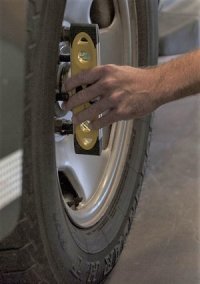
It's not uncommon for even experienced car owners to get confused with the terms “wheel balancing” and “wheel alignment” and end up using them interchangeably. In fact, the two terms are very similar in sound, which makes it all the more difficult to tell the difference between the two. However, for better handling, safety, and improved tire lifespan, it is necessary that you know when your car requires a wheel balancing or alignment procedure. With this quick guide from Milstead Automotive, knowing the difference between these two important automotive maintenance services will be easy!


What is a Wheel Ba ...[more]

  Posted in: Tires 101

How to Avoid a Summer Tire Blowout

August 30th, 2018
Summer is here! With this season, comes fun in the sun, family vacations, and cookouts every weekend. Unfortunately, summer heat can also bring tire problems like blowouts. Tire blowouts are not only dangerous for you, but also for the vehicles around you. Luckily, there are several precautions you can take as a vehicle owner to help prevent your family from being stranded on the side of the highway with a tire blowout.Summer Tire Blowout
 
Maintain your tires’ air pressure. Your risk of a blowout is substantially higher if you’re cruising around with over or underinflated tires. This is an easy issue to prevent and just requires a little TLC. You’ll want to figure out what your tires’ optimal air pressure is, and get a tire gauge so you can check it regularly (every week or so, ideally). When you no ...[more]
  Posted in: Tires 101

Why is my Car Shaking?

July 26th, 2018
Have you noticed your vehicle shaking lately? Believe it or not this is a common problem. Most cars shake for a variety of reasons including engine, steering, or brake issues. Your vehicle can also shake and vibrate because of wheel damage, uneven tread wear, tire balance issues, or neglected tire maintenances. We like to start with the simple fixes first. These tire and wheel issues are fast, easy, and affordable to fix! Reasons Your Car Shakes
 
If your vehicle is vibrating and shaking while you cruise down the road, you might be thinking of a dozen reasons why it is happening. What about wheel damage?
 
You may not even remember hitting a curb or speeding through a pothole but a variety of unnoticed scenarios can damage your wheels. Wheel damage is a leading cause of cabin ...[more]
  Posted in: Tires 101

Basic Tire Maintenance

June 28th, 2018

A blown tire can ruin more than just your day. Tire trouble can cost you money, time, or even damage your vehicle. Sometimes there is no warning your tire is about to blow. Road debris can cause a sudden puncture and there won’t be much you can do, but most tire issues can be prevented with simple monitoring and maintenance.  Check out our list of basic tire maintenance below.
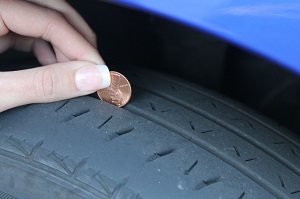
Tread Depth TestCheck Your Tire Pressure

The PSI of your tires varies depending on the type of tire you have and the type of driving you do. Your owner’s manual should contain a recommended PSI for your stock tires or you can check with the manufacturer of your current tire. Normally, PSI should be around 30 to 35. This means there is 30 to 35 pounds of pressure per square inch. All you nee ...[more]

  Posted in: Tires 101

The Effect of Bigger Tires on Your Vehicle
May 31st, 2018

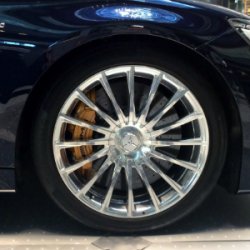
Big TiresBigger wheels and tires are a desirable upgrade for not only the off-road extremist but many everyday drivers as well. For example, you can go to Wal-Mart and count several SUVs in the parking lot with 20-inch rims because even “Glamma” wants to look cool. Tires can really make or break your vehicle in relevance to style and performance. Driving on bad tires can take a toll on your vehicle, and upgrading to new tires can make your vehicle drive like new again. When upgrading to bigger tires you also need to upgrade your rims. There are several benefits and disadvantages when considering an upgrade to tires or wheels.

If you are driving a truck, you may want to consider getting a lift kit. This would allow room for massive wheels and tires depending on how big of a lift you get. For ...[more]

  Tags: tips, auto facts, tire facts
  Posted in: Tires 101
<< Previous 123456 Next >>